

Richard Daniel Ferreira Reis1; Dillan Cunha Amaral2; Anderson Matheus Pereira Silva3,4; Lídia Cheidde5; Matheus Henrique Monteiro Leber6; Tanize Louize Milbradt6; Ricardo Noguera Louzada2
DOI: 10.17545/eOftalmo/2025.0009
ABSTRACT
Purpose: To understand the trends in atropine treatment for myopia and identify global contributions in the field, we conducted a bibliometric analysis.
Methods: We searched using Web of Science Core Collection with the following strategy: ("atropine") AND ("myopia" OR "nearsightedness" OR "short-sightedness" OR "refractive error" OR "myopic progression" OR "myopic eye"). Quantitative bibliometric metrics and network analyses were conducted using the Bibliometrix package in R© software version 4.4.2 and the VOSviewer software.
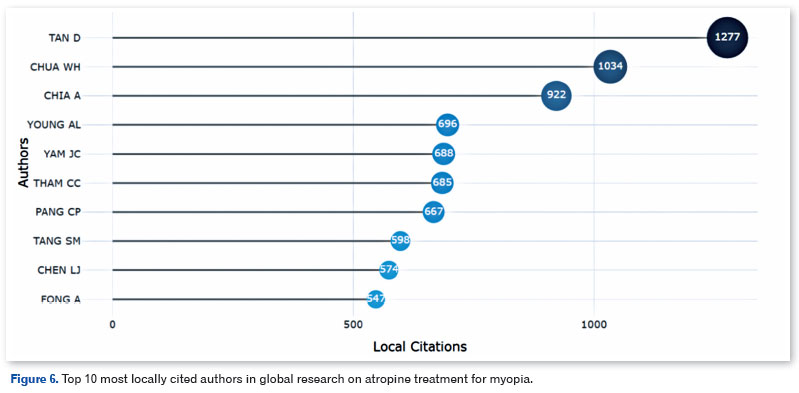
Results: The global analysis was published between 1946 and 2025, with a total of 936 articles. When analyzed in journals, the Journal Investigative Ophthalmology & Visual Science has the highest number of publications, with 98 articles. The year 2023 was the year with the most publications (n=159). Schaeffel F and Yam JC are the authors with the greatest number of publications, each with 22 works. When analysing the local citations, Tan D authored the largest number, with 1277. The publications originate in 54 countries, with China leading the count with 325 papers.
Conclusion: This bibliometric analysis reveals substantial growth in research on atropine for myopia, a global health issue, with research heavily concentrated in a limited number of countries, primarily driven by institutions in Asia. These findings highlight the need to expand the studies to other countries through multicenter international collaborations.
Keywords: Atropine; Myopia; Refractive errors; Nearsightedness; Bibliometrics.
RESUMO
Objetivo: Para compreender as tendências no tratamento da miopia com atropina e identificar as contribuições globais na área, realizamos uma análise bibliométrica.
Métodos: Pesquisamos na Web of Science Core Collection com a seguinte estratégia: ("atropine") AND ("myopia" OR "nearsightedness" OR "short-sightedness" OR "refractive error" OR "myopic progression" OR "myopic eye"). Métricas bibliométricas quantitativas e análises de rede foram conduzidas utilizando o pacote Bibliometrix no software R© versão 4.4.2 e o software VOSviewer.
Resultados: A análise global abrangeu publicações entre 1946 e 2025, totalizando 936 artigos. Ao analisar os periódicos, o Journal Investigative Ophthalmology & Visual Science apresentou o maior número de publicações, com 98 artigos. O ano de 2023 foi o ano com o maior número de publicações (n=159). Schaeffel F e Yam JC são os autores com o maior número de publicações, cada um com 22 trabalhos. Ao analisar as citações locais, Tan D foi o autor com o maior número, com 1277. As publicações são originárias de 54 países, com a China liderando a contagem com 325 artigos.
Conclusão: Esta análise bibliométrica revela um crescimento substancial na pesquisa sobre atropina para miopia, um problema de saúde global, enquanto a pesquisa está fortemente concentrada em um número limitado de países, impulsionada principalmente por instituições asiáticas. Essas descobertas destacam a necessidade de expandir os estudos para outros países por meio de colaborações internacionais multicêntricas.
Palavras-chave: Atropina; Miopia; Erros refrativos; Visão curta; Bibliometria.
INTRODUCTION
Myopia is a refractive error that causes light to focus improperly on the retina, resulting in difficulty seeing objects at a distance1. It can lead to serious eye complications such as retinal detachment, glaucoma, and cataracts2. The prevalence of myopia has increased so significantly that it is the most common ocular disorder worldwide, being considered a global epidemic, especially among children and adolescents3-5.
It is estimated that by 2050, the number of individuals with myopia and high myopia will increase significantly, reaching 4.758 billion people (49.8% of the global population) and 938 million people (9.8% of the global population), respectively6. In addition to genetic factors, the increased use of electronic devices and limited exposure to sunlight have been associated with the development and progression of myopia7,8.
A study presented at the 2019 Association for Research in Vision and Ophthalmology (ARVO) Annual Meeting reveals that myopia is a significant public health issue, with direct costs, including eye care and treatment of complications, estimated at $358.7 billion in 2019 and projected to reach $870 billion by 2050. Productivity losses are also significant, with uncorrected myopia causing $244 billion in lost productivity in 2015, excluding children under 15. Severe vision impairment and blindness resulted in $94.5 billion in productivity losses in 2019, projected to increase to $229.3 billion by 20509.
No recent publications updating these global estimates presented at the ARVO conference were found. The available literature provides only regional data on myopia prevalence and per-person costs, which vary considerably. Worldwide, studies consistently report a strong upward trend in myopia prevalence, largely attributed to urbanization and reduced outdoor exposure7,8.
The highest prevalence is observed in Asia, both among children and adults10,11. In China, data from Beijing show that myopia among adolescents aged 14–16 years increased from 56% in 2006 to 65.5% in 2015, while in Fenghua City, prevalence among 17–19 years rose from 79.5% to 87.7% over a similar period10,11. In South Korea, national health surveys (KHANES) indicate that myopia prevalence among children aged 5–18 years remained high at around 65% between 2008 and 2016, exceeding 80% in adults aged 20–29 years10,11. Singapore and Taiwan show comparable results, with studies reporting a prevalence between 80% and 90% among university students. In contrast, Japan presents approximately 40% when both children and adults are considered 10,11. In contrast, India exhibits a lower but rising prevalence from 7% in 2001 to about 21% in 2018 among children aged 5–15 years10,11.
Outside Asia, prevalence rates remain substantially lower but are increasing 10,11. In Australia, the Sydney Myopia Study reported a prevalence of 19% in 2011 among children aged 11–12 years, while in Spain, the rate reached 19% among children aged 5–7 years in 201710,11. In Northern Ireland, prevalence among 6–7-year-olds increased from 2.8% in 2007 to 3.7% in 2017, and from 17.7% to 22.8% among 12–13-year-olds in the same period10,11. In adults, prevalence in Western Europe and the United States averages around 25–30%10,11. In Latin America, among children and adolescents aged 3-20 years, a meta-analysis reported a prevalence of 8.6%12. Similarly, a prevalence of 7.65% was reported by a meta-analysis conducted in Brazil among patients aged 3 to 18 years13.
The economic burden of myopia also varies widely across regions10,11. In Singapore, where myopia prevalence is among the world's highest, the annual direct cost per person aged was estimated at USD 709 for adults aged 40 years or older, with lifetime costs projected at USD 17,00010,11. In China, data suggest annual direct costs of approximately USD 113 per person, potentially reaching USD 510 for older adults10,11. In India, urban estimates indicate annual direct costs of USD 48, or USD 54–60 with surgery10,11. In the United States, direct annual expenses for refraction and glasses range between USD 139 and 226, though these likely underestimate the total cost10,11. The annual cost of myopia per person in Australia is estimated at USD 199-22010,11. Costs vary significantly based on the severity of myopia and the type of treatment (e.g., standard glasses vs. myopia control methods vs. surgery). Overall, costs grow significantly with age and myopia severity10,11.
The management of myopia primarily encompasses glasses, contact lenses, surgery, alternative therapies, including red-light or pharmaceutical approaches such as atropine eye drops14-17. Atropine is a widely recognized antagonist that non-selectively blocks muscarinic receptors by competitively inhibiting acetylcholine at postganglionic muscarinic sites15. Several reviews have shown that low-dose atropine (0.01%-0.05%) is effective in slowing myopia progression, especially in children with minimum side effects18-20. This topic has been widely discussed in the literature, with numerous studies and reviews published in leading ophthalmology journals21-23.
Therefore, this bibliometric analysis aims to provide an overview of global research on atropine treatment for myopia in both quantitative and qualitative terms. We hope identifying trends, collaboration networks, influential authors, the most relevant journals, and the evolution of themes in this area will help consolidate the existing literature, provide valuable insights into research in this field, and guide future studies.
METHODS
Data sources and search strategy
The Web of Science (WoS) maintained by the Clarivate Analytics database was accessed on 9 January 2025, without any time restrictions. Two independent researchers (R.D.F.R. and L.C.) conducted the search in the WoS to identify global analysis articles in the field. Any discrepancies between their findings were resolved through discussion and mutual agreement. The search strategy targeted the title, abstract, author keywords and Keywords Plus (TOPIC) fields using the terms: ("atropine") AND ("myopia" OR "nearsightedness" OR "short-sightedness" OR "refractive error" OR "myopic progression" OR "myopic eye"), using the TOPIC. Publications in any language were included.
Each article was then reviewed by three authors (R.D.F.R, D.C.A. and R.N.L.) and excluded if it did not address atropine treatment for myopia, such as studies focusing on other therapies or unrelated ocular conditions.
Data collection and bibliometric analysis
Global analysis articles published in journals were organized in descending order based on their total citation count, including details such as article title, author list, publication year, country of origin, primary institution, publishing journal, and journal IF. The journal's IF was determined using the 2024 SCImago Journal Rank (SJR). The bibliometric indices and visualizations for this study were generated using VOSviewer software version 1.6.20 and the Bibliometrix package in R© software version 4.4.2 (R Foundation for Statistical Computing, Vienna, Austria)24-25. The Bibliometrix software was utilized to analyze quantitative bibliometric indicators, including annual publication trends, leading authors, countries, and journals, as well as the most highly cited articles. Additionally, VOSviewer facilitated a co-occurrence analysis to explore Keywords Plus, institutional collaborations, and co-authorship networks.
RESULTS
Analysis of annual publications
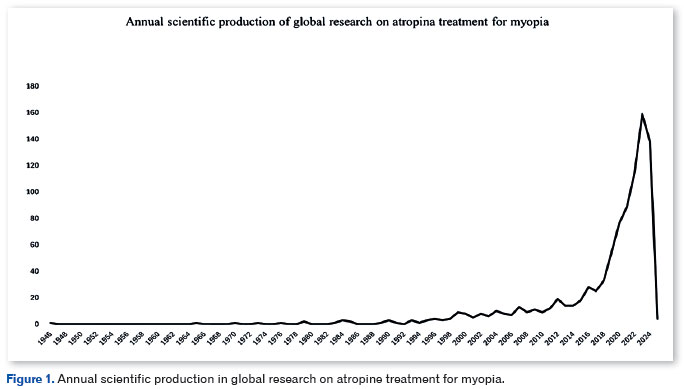
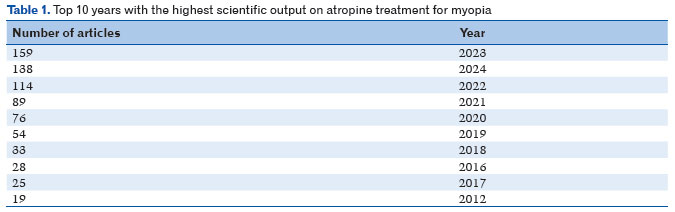
A total of 936 articles related to the field were identified in the WoS database as of 09 January 2025, with 909 of them published in English. Figure 1 illustrates the global distribution of publications over the years. Up until 2017, the growth in the number of publications was gradual. However, a significant surge in publications was observed starting from that year. Table 1 presents information about the top 10 years with the highest number of publications.
Most cited articles and co-authorship
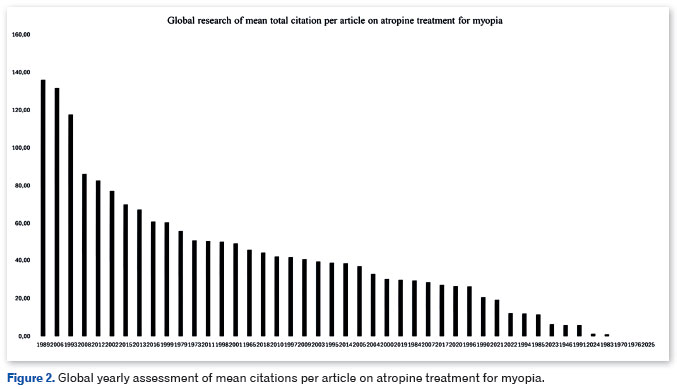
Figure 2 illustrates the global yearly assessment of mean citations per article on atropine treatment for myopia.
The most cited article was ‘‘The epidemics of myopia: Aetiology and prevention''3, published in 2018, by the journal Progress in Retinal and Eye Research (IF: 5.92). It received a total of 708 citations. This paper reports an epidemic of myopia is ongoing in East and Southeast Asia, with prevalence rates in young adults reaching 80–90%, and high myopia affecting 10–20%. This is largely driven by earlier onset and faster progression during childhood, leading to high rates of acquired high myopia by ages 11–13. The expected consequence is a rise in visual impairment and blindness due to pathological myopia.
The main modifiable risk factors are high educational pressure and reduced time outdoors. Randomized controlled trials (RCTs) have confirmed a causal relationship between outdoor exposure and the delayed onset of myopia. In contrast, educational intensity is strongly associated with increased prevalence, though evidence is primarily observational.
The second most cited article is "Effect of time spent outdoors at school on the development of myopia among children in China: a randomized clinical trial''26, published in 2015, by JAMA (Journal of the American Medical Association - IF: 5.92). It received a total of 659. This paper evaluated the effectiveness of increasing outdoor activity at school in preventing the onset of myopia among children. The study conducted an RCT in Guangzhou, including first-grade students from primary schools. The results showed that increased outdoor activity significantly reduced the incidence of myopia and slowed the progression of refractive error, with no significant effect on axial length elongation.
The third most cited article is "Retardation of myopia in orthokeratology (ROMIO) study: a 2-year randomized clinical trial''27, published in 2012, by Investigative Ophthalmology & Visual Science (IF: 1.42). This RCT investigated the efficacy of orthokeratology (ortho-k) lenses in controlling myopia progression in children aged 6 to 10 years by comparing axial length elongation over a two-year period between subjects fitted with ortho-k lenses and those wearing single-vision spectacles.
The IF of the top 100 journals was varied to 0.12 at 12.11. Despite only one published article, the journal Lancet has the most IF in the top 100 journals, with 12.1128.
Analysis of journals
A total of 189 journals published papers in the field of atropine treatment for myopia.
Table 2 lists the top 27 journals with the most publications. Ten are from the United States, and nine are from the United Kingdom. Germany follows with two, and China, Italy, and the Netherlands each contribute one.
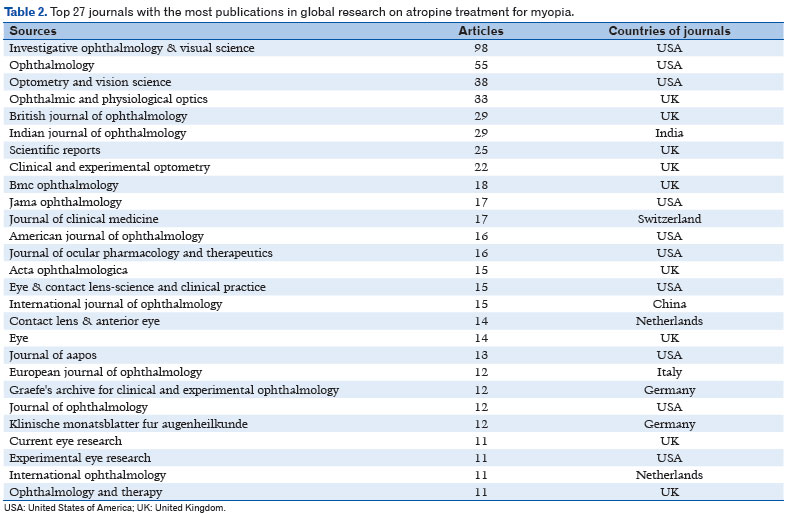
In the top 10 journals, the Journal Investigative Ophthalmology & Visual Science has published articles (98), followed by Ophthalmology with (55) articles; Optometry and Vision Science has contributed (38) articles, while Ophthalmic and Physiological Optics published (33); British Journal of Ophthalmology and Indian Journal of Ophthalmology both featured (29) articles each; Scientific Reports released (25) articles and Clinical and Experimental Optometry published (22); BMC Ophthalmology followed with (18) articles and JAMA Ophthalmology contributed (17) articles to the field. Figure 3 illustrates the cumulative journal production of the top 10 journals on atropine treatment for myopia over time.
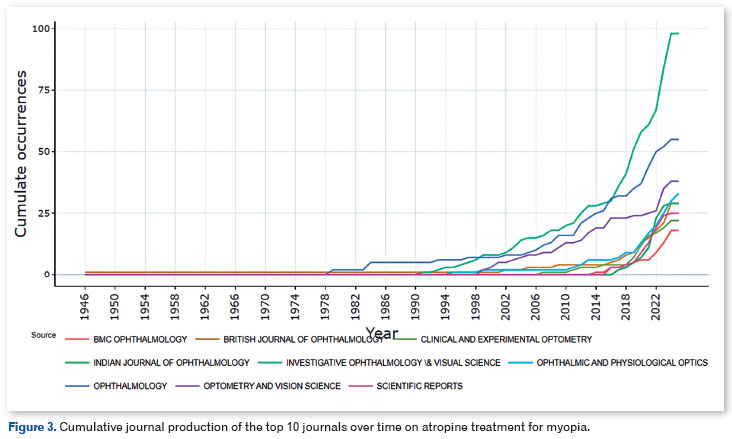
Investigative Ophthalmology & Visual Science and Ophthalmology show the most significant growth since 2000, dominating publication counts by 2023. Optometry and Vision Science also experienced substantial increases during this period. In contrast, Journals such as BMC Ophthalmology and Clinical and Experimental Optometry exhibit slower cumulative growth (Figure 3).
Analysis of countries
These papers involve contributions from researchers across 54 countries, as illustrated in Figure 4.
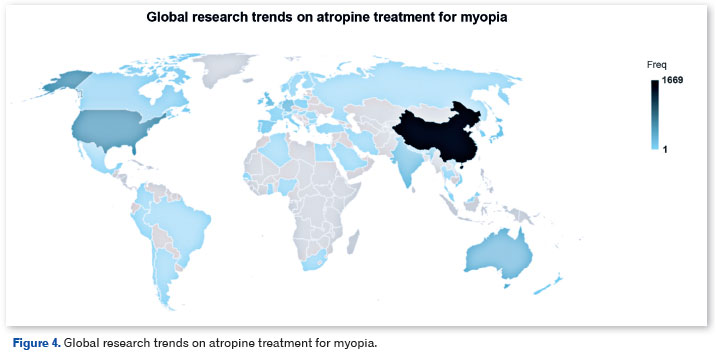
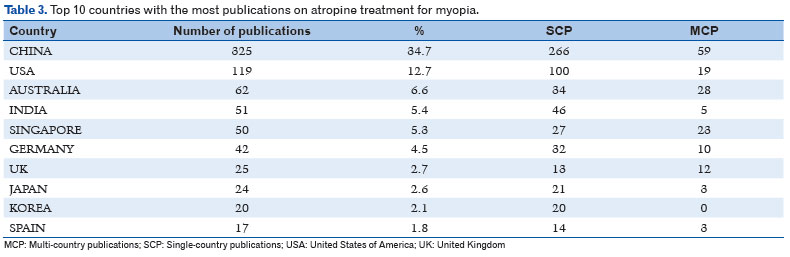
China published the most studies, as reported in Table 3 (325 publications, 34.7%), followed by the USA (119 publications, 12.7%) and Australia (62 publications, 6.6%). The highest number of Single-country publications (SCP) was also from China, with 266/325 (81.8%), followed by the USA, with 100/119 (84.0%), and India, with 46/51 (90.2%), as reported in Table 3 In terms of Multi-country publications (MCP), China led with 59 publications, followed by Australia with 28, and Singapore with 23 (Table 3).
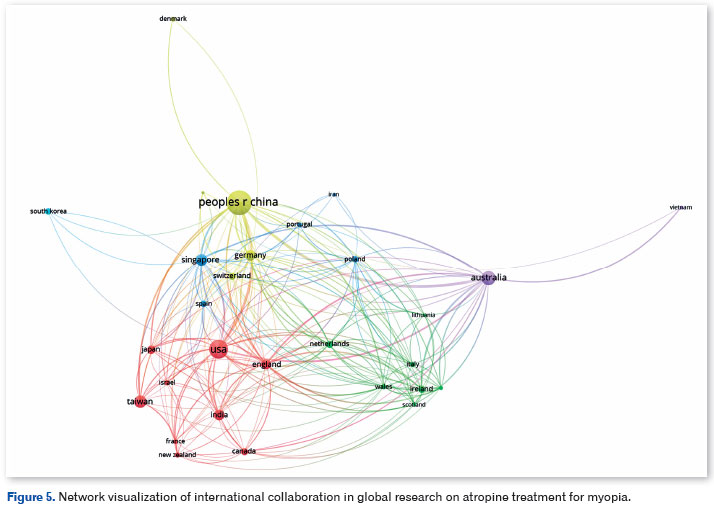
The rate of international co-authorship was 24%, as illustrated in Figure 4, and Figure 5 presents the network visualization of collaboration across countries.
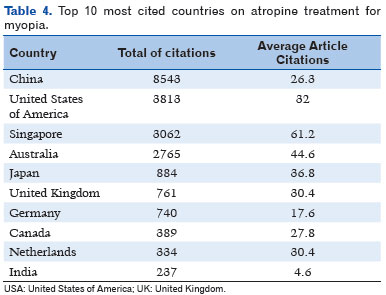
China leads in total citations (8543), followed by the USA (3813) and Singapore (3062). Australia and Japan also show strong contributions. The UK and Germany maintain steady citation performance, while Canada, the Netherlands, and India complete the top 10 (Table 4). As shown in Table 4, Singapore stands out for having the highest average citations per article (61.2).
Analysis of authors
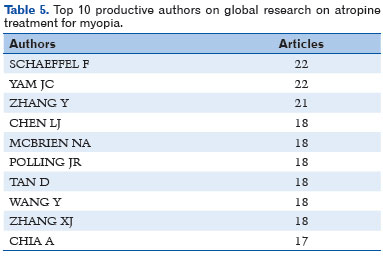
Schaeffel F and Yam JC stood out as the most productive authors, each contributing 22 publications. They were followed by Zhang Y, with 21 publications. Chen LJ, McBrien NA, Polling JR, Tan D, Wang Y, and Zhang XJ each authored 18 works. Chia A contributed 17 publications (Table 5).
Regarding total citations, summarized in Table 6, Morgan IG ranks first with 2,310 citations, followed by Tan D (1,902), He M (1,768), and Saw SM (1,560).
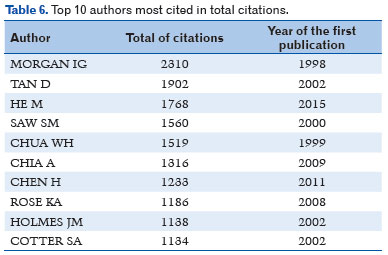
Figure 6 reports local citations, Tan D is the author with the largest number, with 1277, followed by Chua WH (n=1034), Chia A (n=922).
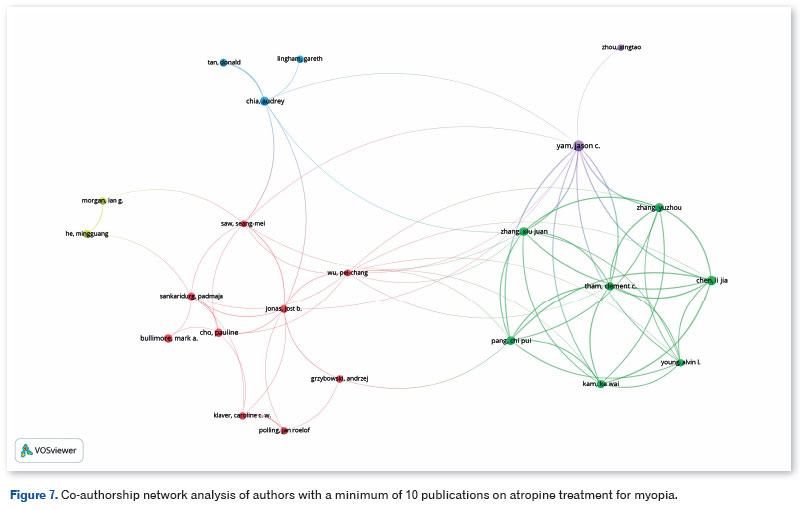
In VOSviewer, the co-authorship network was analysed, focusing on authors with a minimum of 10 publications each. Authors with extensive connections occupied central positions within their respective clusters, indicating their prominent roles in collaborative research networks (Figure 7).
Analysis of institutions
A total of 1086 institutions were involved. As shown in Table 7, the field is strongly dominated by Asian institutions. The Chinese University of Hong Kong leads with 104 publications, followed by the Hong Kong Polytechnic University (74), Fudan University (70), the Singapore Eye Research Institute (68), and Wenzhou Medical University (66).
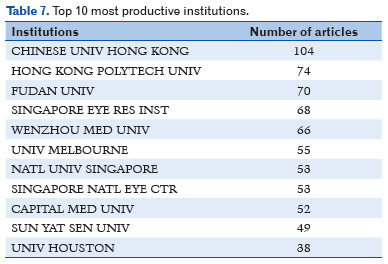
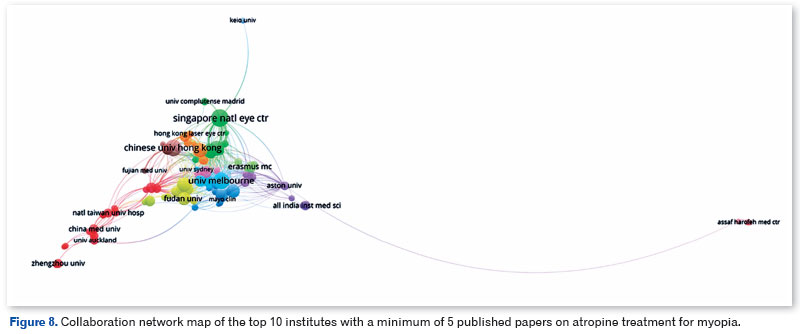
Figure 8 illustrates the collaboration network among the most productive institutions in the field with a minimum of 5 publications each. The Chinese University of Hong Kong, Hong Kong Polytechnic University, Singapore National Eye Centre, Fudan University, and Wenzhou Medical University form a dense, highly interconnected central cluster, indicating intense regional collaboration. In contrast, institutions from Europe, North America, and Oceania appear more peripheral, with fewer and weaker inter-institutional links.
Analysis of keywords
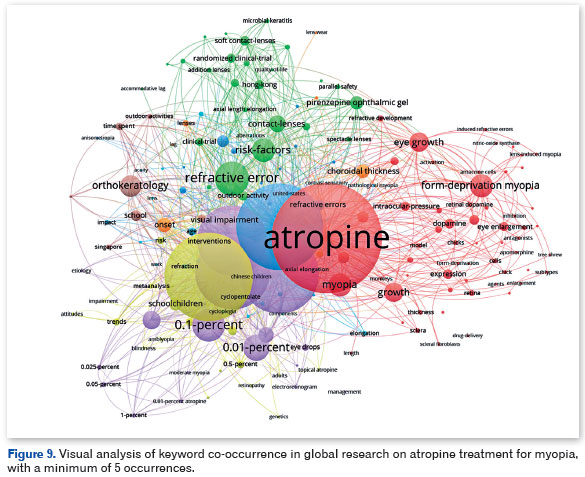
Figure 9 displays a visual analysis of trend topics by authors' keywords with a minimum of 5 occurrences. The term "atropine" appears as the central and most prominent keyword, forming the core of the network. Around it, several clusters emerge, each representing different thematic areas. A red cluster groups terms related to eye growth and experimental myopia models, while a green cluster includes concepts linked to refractive error, contact lenses, and risk factors. A yellow cluster highlights themes involving schoolchildren and early-onset myopia, and a blue cluster contains terms related to atropine concentrations such as 0.1 percent and 0.01 percent.
Analysis of trend topics
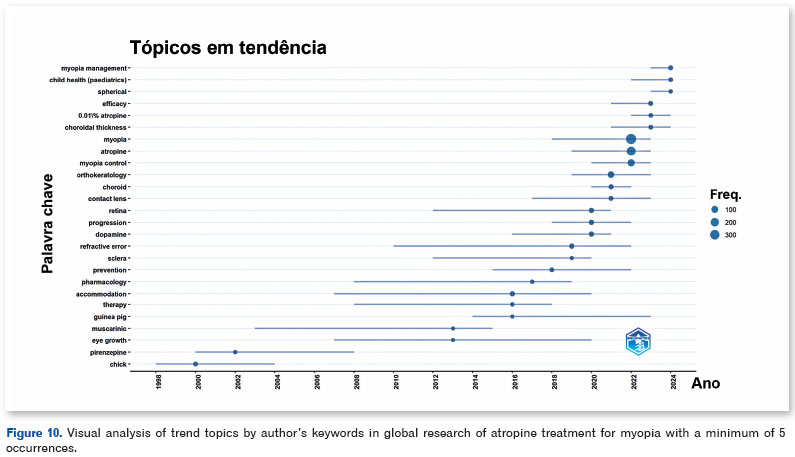
Figure 10 visualizes keyword trends, highlighting the emergence and frequency of specific terms in the field. The x-axis represents the publication years (ranging from 1998 to 2024), while the y-axis lists the key terms associated with myopia treatment, particularly focusing on atropine and related concepts. The size of each data point corresponds to the frequency of the term's appearance in the literature, with larger circles indicating higher occurrence. Key terms: "myopia management", "0.01% atropine", "myopia control", "choroidal thickness", and "orthokeratology" have gained prominence in recent years, reflecting growing research interest. Earlier topics, such as "chick" and "pirenzepine," appear to have been more relevant in the early 2000s but have since declined in usage.
DISCUSSION
This is the first study to evaluate the bibliometric characteristics of global scientific production on atropine treatment for myopia in the WoS database up to January 9th, 2025. The analysis revealed the following findings: a total of 936 articles published on the use of atropine for myopia, with China being the leading contributor, accounting for 34.7% (n= 325) of these publications, reflecting the recent increase in research output since 2017; the most cited author was Morgan IG "The epidemics of myopia: A etiology and prevention"3 was the most cited paper with 708 citations; the top three journals with the highest number of publications were Investigative Ophthalmology & Visual Science, Ophthalmology and Optometry and Vision Science, all from the USA and the authors with most publications was Schaeffel F and Yam JC, with each of them contributing with 22 works.
Among the top five countries leading publications on this topic, China produces more articles than the sum of the other four countries combined. The USA, Australia, India, and Singapore contribute 12.7% (n=119), 6.6% (n=62), 5.4% (n=51), and 5.3% (n=50) of the total production, respectively. This leadership can be attributed to the substantial resources available in China for scientific research and the country's growing interest in myopia as a public health issue. Several studies have highlighted the increasing prevalence of myopia in Asian countries, potentially linked to the widespread shift of large populations to screen time, near-distance work (reading, writing, and working on a computer), and the reduced amount of time spent in outdoor activities29.
The total number of citations per country is directly related, although not proportional, to the number of publications. This relationship becomes evident when we analyse Singapore's position. While it ranks fourth in the number of articles, it jumps to third in terms of citations, possibly because of its prestigious reputation in myopia research and the high prevalence of this condition in Southeast Asia. Although China remains the leader in total citations, there is a noticeable difference in the average citations per article.
The USA, Singapore, and Australia have averages of 32, 61.2, and 44.6 citations per article, respectively, compared to China's average of 26.3 citations per article. Schaeffel F, a German researcher, and Yam JC, a Chinese researcher, with 22 publications each on the subject, have both contributed significantly to studies on the use of atropine for myopia. The authors with the highest number of publications following them are also predominantly Chinese. In this context, despite China and USA dominance in scientific production, there is a noticeable trend of interest in the development of treatments and prophylaxis for myopia that extends to other global areas, as evidenced by the fact that half of the countries ranked among the top 10 publishers on the subject are outside the Asian and North America continents.
The number of citations per author is generally correlated with the number of publications, although high-impact papers and pioneering work may account for the significant difference between the lists of the most prolific authors and the most cited ones. Only two authors with the highest publication counts in the field appear among the top 10 most-cited authors: Tan D and Chia A.
Among the 27 journals with the most publications on the topic, 10 are from the USA, 9 from the UK. The dominance of USA journals, represented by Investigative Ophthalmological & Visual Science, Ophthalmology and Optometry, and Vision Science as the top three publishers, can be explained by the authors' preference for submitting to traditional, high-impact, and relevant journals, a role historically held by the USA. The analysis of the institutions that generate the most literature related to the use of atropine confirms the dominance of Asian entities: among the 11 leading contributors, 9 are from the Asian continent (China and Singapore), one is based in Australia, and another in the USA. Analyzing production over time reveals a significant increase in publications from the Chinese University of Hong Kong, which has emerged as the leading institution in atropine-related publications in recent years.
The global distribution of research on atropine for myopia control is indicative of both the prevalence of myopia and the strength of research infrastructure. China, which has the highest prevalence of myopia among children and adolescents in East Asia, leads in publications and total citations, highlighting how regions most affected by myopia are also at the forefront of research interest and investment. Similarly, countries with moderate but rising prevalence, such as the USA, Australia, and European nations, contribute substantially to research productivity and host the majority of journals publishing high-impact studies.
This correlation between disease burden and research activity underscores that scientific attention is concentrated in areas with either high prevalence or well-established research capacity. These observations support the need for international collaboration to expand investigations, cost analyses, and therapeutic studies to regions where myopia prevalence is increasing but local research infrastructure and resources remain limited.
Regarding the occurrence of keywords and trend topics, terms such as "atropine", "prevalence", "children", "progression", and "efficacy" stood out as the most frequent. This pattern reflects the predominant focus of current research, highlighting a scientific priority to better understand the effects of atropine in managing ophthalmological conditions, such as myopia. The recurrent presence of the word "children" suggests a particular interest in the impact of atropine on the pediatric population, which is considered especially vulnerable to myopia progression. Some studies have suggested favourable outcomes in reducing myopia progression following the use of atropine, further emphasizing its potential as an effective intervention in this age group30,31. Additionally, the use of terms such as "prevalence" and "progression" appears as relevant trend topics, demonstrating a concern with assessing the magnitude of the problem and the effectiveness of the intervention over time.
Limitations
The current bibliometric investigation has some limitations. First, restricting our literature search to the WoS database excluded studies published in other databases, such as Scopus and MEDLINE, which may have resulted in the omission of relevant publications on the use of atropine for myopia. However, the use of tools such as VOSviewer and the Bibliometrix package enhanced the credibility and robustness of our findings. Second, recently published studies may not have received the attention they deserved due to citation delays. Third, an analysis of the most frequently cited articles reveals that our search encompassed studies in which atropine was not the primary focus. Instead, these articles addressed broader related topics, such as myopia, which consequently rendered the results less specific. Furthermore, using citation counts as the main metric may introduce a bias, as it tends to favor older studies over more recent, high-quality research that has not yet had sufficient time to accumulate citations. Finally, this study is centered on bibliometric analysis and does not assess the clinical applicability or practical impact of the identified articles, which would offer a more thorough perspective on their importance.
In conclusion, our bibliometric analysis evaluated the use of atropine for myopia control using bibliometric software. Since 2017, it has been the focus of intensified research and growth. A visual study of publication trends was conducted, alongside an evaluation of the countries, institutions, authors, journals, and keywords associated with the research. The implications of this trend are primarily due to the recent interest of Chinese institutions in the topic, along with significant investment opportunities in this line of research. Meanwhile, there is a continued presence of publications in established journals, and the citation profile is still largely influenced by the impact of previous publications.
REFERENCES
1. Gifford KL, Richdale K, Kang P, Aller TA, Lam CS, Liu YM, et al. IMI - Clinical Management Guidelines Report. Invest Ophthalmol Vis Sci. 2019;60(3): M184-M203.
2. Haarman AEG, Enthoven CA, Tideman JWL, Tedja MS, Verhoeven VJM, Klaver CCW. The complications of myopia: A review and meta-analysis. Invest Ophthalmol Vis Sci. 2020;61(4):49.
3. Morgan IG, French AN, Ashby RS, Guo X, Ding X, He M, et al. The epidemics of myopia: Aetiology and prevention. Prog Retin Eye Res. 2018 Jan;62:134-149.
4. Dolgin E. A myopia epidemic is sweeping the globe. Here's how to stop it. Nature. 2024;629(8014):989-991.
5. Landreneau JR, Hesemann NP, Cardonell MA. Review on the Myopia Pandemic: Epidemiology, Risk Factors, and Prevention. Mo Med. 2021;118(2):156-163.
6. Holden BA, Fricke TR, Wilson DA, Jong M, Naidoo KS, Sankaridurg P, et al. Global prevalence of myopia and high myopia and temporal trends from 2000 through 2050. Ophthalmology. 2016;123(5):1036-1042.
7. Foreman J, Salim AT, Praveen A, Fonseka D, Ting DSW, Guang He M, et al. Association between digital smart device use and myopia: a systematic review and meta-analysis. Lancet Digit Health. 2021;3(12): e806-e818.
8. Lanca C, Saw SM. The association between digital screen time and myopia: A systematic. Ophthalmic Physiol Opt. 2020; 40(2):216-229.
9. Holy C, Kulkarni K, Brennan NA. Predicting costs and disability from the myopia epidemic – a worldwide economic and social model. Invest Ophthalmol Vis Sci. 2019;60(9):5466.
10. Sankaridurg P, Tahhan N, Kandel H, Naduvilath T, Zou H, Frick KD, et al. IMI Impact of Myopia. Invest Ophthalmol Vis Sci. 2021;62(5):2.
11. Ahn J, Kim G, Choi M. A Bibliometric Analysis of Myopia Research in East Asia in the 21st Century The Socio-Economic Status and Quantitative Analysis. Inquiry. 2023;60:469580231174333.
12. Guedes J, Costa Neto AB, Fernandes BF, Faneli AC, Ferreira MA, Amaral DC, et al. Myopia Prevalence in Latin American Children and Adolescents: A systematic review and meta-analysis. Cureus. 2024;16(6):e63482.
13. Costa Neto AB, Guedes J, Mora-Paez DJ, Ferreira MA, Faneli AC, Amaral DC, et al. Systematic review and meta-analysis of myopia prevalence in Brazilian school children. Rev Bras Oftalmol. 2024;83:e0056.
14. Sankaridurg P, Conrad F, Tran H, Zhu J. Controlling Progression of Myopia: Optical and Pharmaceutical Strategies. Asia Pac J Ophthalmol (Phila). 2018;7(6): 405-414.
15. Bhattacharjee AK, Pomponio JW, Evans SA, Pervitsky D, Gordon RK. Discovery of subtype selective muscarinic receptor antagonists as alternatives to atropine using in silico pharmacophore modeling and virtual screening methods. Bioorg Med Chem. 2013;21(9):2651-2662.
16. Santos-Neto ED, Dantas DO, Amaral DC, Castro Neto FC, Louzada RN, Alves MR. Changes in accommodation and vergence parameters with topical use of 0.025% and 0.05% atropine in myopes aged between 7 and 17 years. Eye (Lond). 2025;39(14):2664-70.
17. Amaral DC, Batista S, Dos Santos-Neto E, Manso JEF, Rodrigues MPM, Monteiro MLR, et al. Low-level red-light therapy for myopia control in children: A systematic review and meta-analysis. Clínicas (São Paulo). 2024 May 8;79:100375.
18. Li FF, Yam JC. Low-Concentration Atropine Eye Drops for Myopia Progression. Asia Pac J Ophthalmol (Phila). 2019;8(5): 360-365.
19. Zaabaar E, Zhang Y, Kam KW, Zhang XJ, Tham CC, Chen LJ, et al. Low-concentration atropine for controlling myopia onset and progression in East Asia. Asia Pac J Ophthalmol (Phila). 2024;13(6):100122.
20. Cao X, Guo Z, Wei Z, Ming H, Ma B, Zhao Y, et al. Effect of 0.01% atropine eye drops combined with different optical treatments to control low myopia in Chinese children. Cont Lens Anterior Eye. 2025;48(1):102317.
21. Gong Q, Janowski M, Luo M, Wei H, Chen B, Yang G, et al. Efficacy and Adverse Effects of Atropine in Childhood Myopia: A Meta-analysis. JAMA Ophthalmol. 2017;135(6):624-630.
22. Zhao C, Cai C, Ding Q, Dai H. Efficacy and safety of atropine to control myopia progression: a systematic review and meta-analysis. BMC Ophthalmol. 2020;20(1):478.
23. Wang S, He G, Sun H, Gu M. The application of traditional Chinese herbal medicine in the treatment of allergic rhinitis: A bibliometric analysis (1999-2024). Asian J Surg. 2024 Nov 28:S1015-9584(24)02720-9.
24. Aria M, Corrado C. Bibliometrix: An R-tool for comprehensive science mapping analysis. Journal of Informetrics. 2017;11(4): 959–975.
25. Van Eck NJ WL. VOSviewer Manual. Leiden, Netherlands 2020.
26. He M, Xiang F, Zeng Y, Mai J, Chen Q, Zhang J, et al. Effect of Time Spent Outdoors at School on the Development of Myopia Among Children in China: A Randomized Clinical Trial. JAMA. 2015;314(11):1142-1148.
27. Cho P, Cheung SW. Retardation of myopia in Orthokeratology (ROMIO) study: a 2-year randomized clinical trial. Invest Ophthalmol Vis Sci. 2012;53(11):7077-7085.
28. Holmes JM, Clarke MP. Ambliopia. Lancet. 2006;367(9519):1343-51
29. 29. Xiang ZY, Zou HD. Recent Epidemiology Study Data of Myopia. J Ophthalmol. 2020 Nov 4:2020:4395278.
30. Agyekum S, Chan PP, Adjei PE, Zhang Y, Huo Z, Yip BHK et al. Cost-Effectiveness Analysis of Myopia Progression Interventions in Children. JAMA Netw Open. 2023;6(11):e2340986.
31. Pineles SL, Kraker RT, VanderVeen DK, Hutchinson AK, Galvin JA, Wilson LB et al. Atropine for the Prevention of Myopia Progression in Children: A Report by the American Academy of Ophthalmology. Ophthalmology. 2017;124(12):1857-1866.
AUTHOR INFORMATION





Funding: No specific financial support was available for this study.
Conflict of interest: None of the authors have any potential conflict of interest to disclose.
Received on:
July 22, 2025.
Accepted on:
November 19, 2025.
 eOftalmo está licenciada com uma Licença Creative Commons Atribuição-NãoComercial 4.0 Internacional.
 © 2026 Todos os Direitos Reservados




 Ler em português
 Português PDF
 Imprimir
 Enviar este artigo por email
 Como citar este artigo
 Enviar um comentário
 Mendeley
 Pocket
 Compartilhar no Facebook
 Compartilhar no Twitter
 Compartilhar no Linkedin
 Compartilhar no WhatsApp